
Vanuatu's Economy - Opportunities and Challenges
Vanuatu is a small island nation located in the South Pacific, with a tourism-reliant economy that accounts for around 30% of its GDP. The country has seen steady growth in recent years, but it still has obstacles to overcome for continued economic development and prosperity.
Vanuatu's economy is highly dependent on trade, with exports accounting for around 23% of its GDP. The country's major exports include fish, copra, kava, and beef. The island nation’s major trading partners include Australia, New Zealand, Malaysia and the Philippines. Vanuatu's GDP growth had been steadily increasing prior to the pandemic, recording a 3.24% increase in 2019. Overall, the country's GDP per capita sits at US$2997, highlighting the opportunities that exist to increase its economic development.
One of the significant possibilities for Vanuatu's economy is its position as a hub for commerce in the South Pacific region. With the increasing global trade and investment, Vanuatu's ports and infrastructure have the potential to attract foreign investment and facilitate the movement of goods and services. Home to the Melanesian Spearhead Group, Vanuatu also attracts large regional delegations hosted by The Pacific Community (SPC) and other organisations.
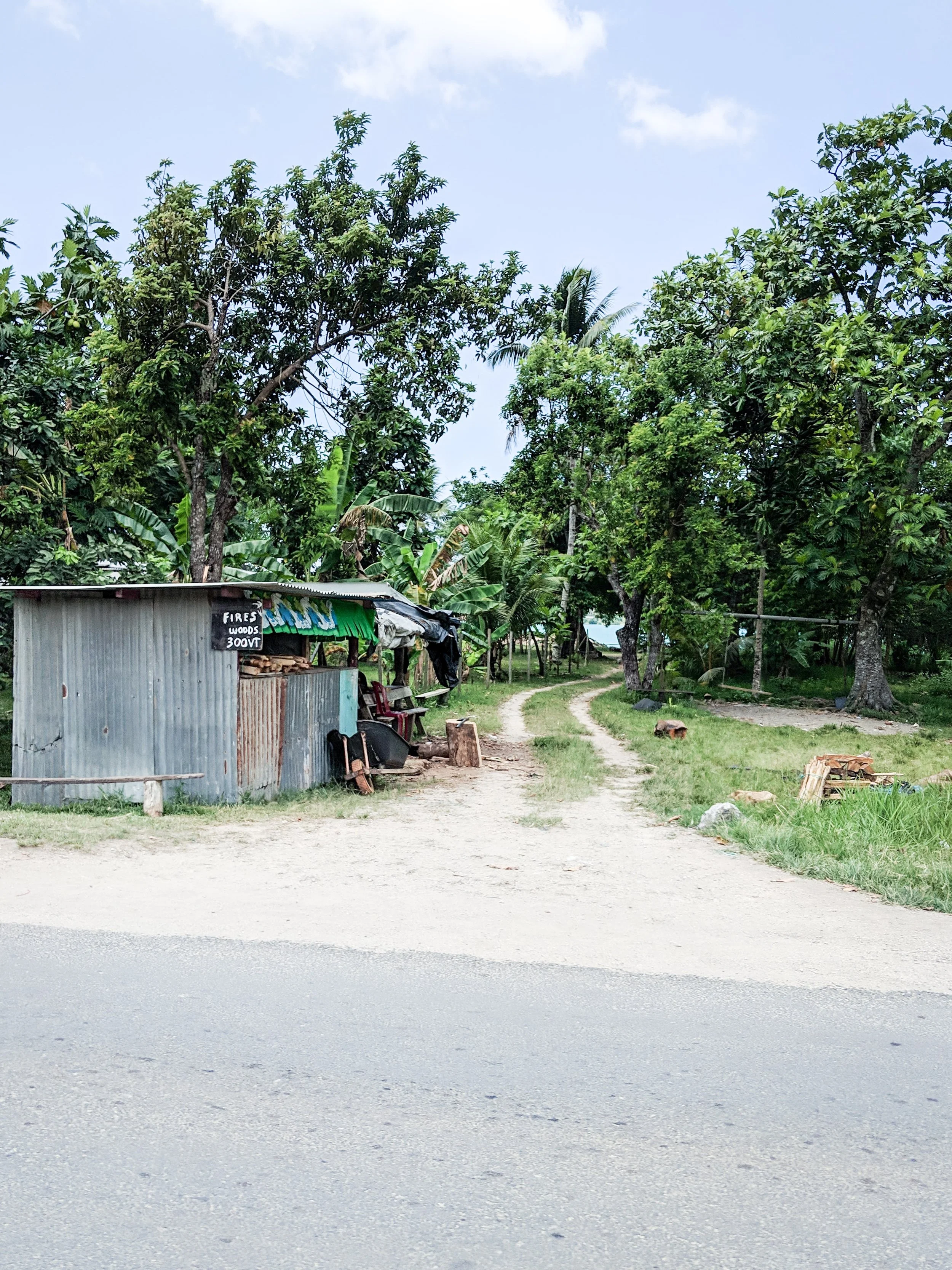
Image by Jasper Wilde from Unsplash
Agriculture is another important opportunity that Vanuatu can continue to expand, given its ideal climate for the production of various crops such as coffee, cocoa, and spices. With the right investment and support, this sector could create significant economic opportunities for the island and allow it to increase its yield and exports to other countries. However, natural disasters and extreme weather events are ongoing challenges for the sector. Additionally, Vanuatu's economy has a limited domestic market, making it vulnerable to external economic shocks.
Inadequate infrastructure is another significant problem facing the nation. Improving the level of infrastructure and access to services will ease the cost of doing business, allowing the country to increase its competitiveness. Ensuring these are climate-resilient can reduce the costs of rebuilding after cyclones or tsunamis. Accessing funding to upgrade tourist facilities such as public toilets, kiosks and recreational areas will also lift the image of the island amongst international visitors.
Corruption is a significant challenge to Vanuatu's economy, as it deters foreign investment and negatively affects the country's growth and development. Although the government has made some efforts to address corruption, improvement can be made to ensure transparency and accountability in government. In 2022, Vanuatu ranked 60th out of 180 countries on the Corruption Perceptions Index, with 73% of Ni-Vanuatu indicating that corruption in government is a big problem.
Vanuatu's regulatory environment can be complex and challenging to navigate. Although foreign investors face few restrictions on business ownership, obtaining the required permits and approvals can be time-consuming and complicated. Streamlining more processes through digitalisation and online integration can ensure Vanuatu offers a business-friendly environment.
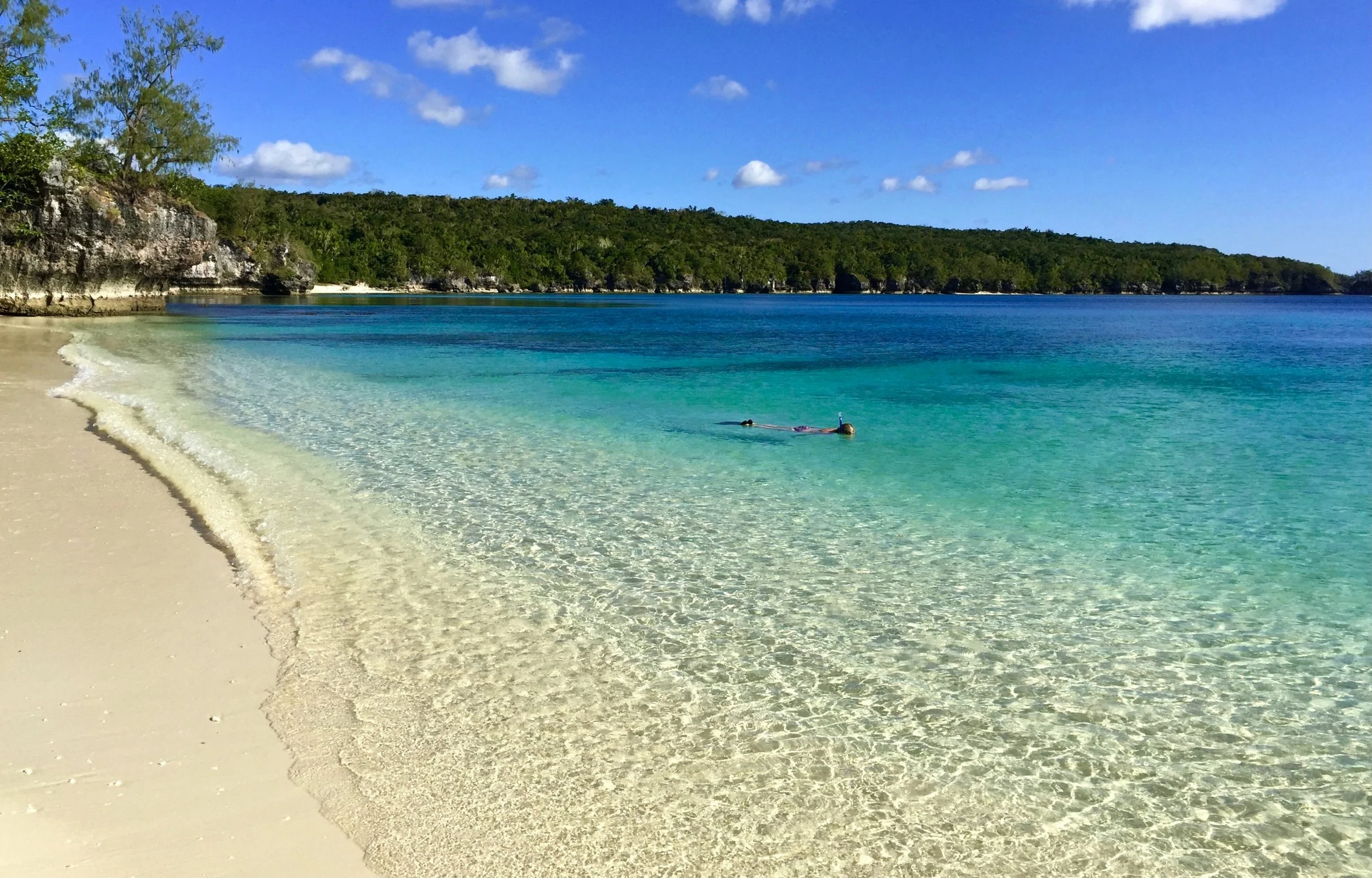
Image by Lilyana Zivkovic from Unsplash
Vanuatu's unique cultural heritage is an essential factor in its economic development. The country's traditional arts and crafts, music, and dance are significant attractions for tourists, and preserving these cultural elements is critical to the country's tourism industry. The country's geography and natural resources are also crucial to its economic development. Its abundant marine resources are essential for the fishing industry, which must be carefully managed to prevent overfishing.
In conclusion, while Vanuatu's economy has the potential for continued growth and development, the government must focus on improving the country's infrastructure, addressing corruption, and promoting foreign investment to drive economic growth. Vanuatu's unique cultural heritage and natural resources provide potential for the country to thrive economically in the future.