
COVID-19 Response: New Caledonia, French Polynesia, Wallis & Futuna
The Pacific Islands have demonstrated strong leadership and initiated effective protection measures to help curb the spread of the coronavirus. Their rapid response and swift actions have been praised by several countries, including President Emmanuel Macron.
That includes New Caledonia, who to date have recorded only 23 COVID-19 cases, with no deaths. All these cases have been imported and detected through mandatory hotel quarantine and a border closure, which is currently in place until 24 October 2020. Their quarantine period was one of the longest in the world, at 21 days, however, it has now been reduced to 14 days. New Caledonia began their lockdown on 24 March, with restrictions easing from 20 April. They became the first French territory to come out of lockdown. Meanwhile, the French-governed Pacific Islands of Wallis and Futuna is some of the only places in the world to avoid contracting the virus at all.
Despite these successes, there have been political tensions surrounding the legal overreach of the French authorities in responding to the pandemic. Confusion has arisen over France’s involvement with local quarantine rules, arguing it violates both the constitution and Nouméa Accord. The French Prime Minister has said he will discuss how the health emergency law could be altered to consider New Caledonia’s situation.
The upcoming rotation of French public servants to New Caledonia has been postponed, whilst French Polynesia’s largest church has also called for it to be deferred in Tahiti. The second referendum on independence in New Caledonia has been delayed from 6 September to 4 October 2020, due to the global pandemic. Independent groups want the referendum pushed back to November, but the new French overseas Minister has indicated that it will go ahead and is on track for the new date set in October. However, the 300 French officials and international observers due to arrive to oversee the referendum may struggle to find flights due to limited capacity from Aircalin. They will also be required to undertake the mandatory 14-day government quarantine prior to the referendum.
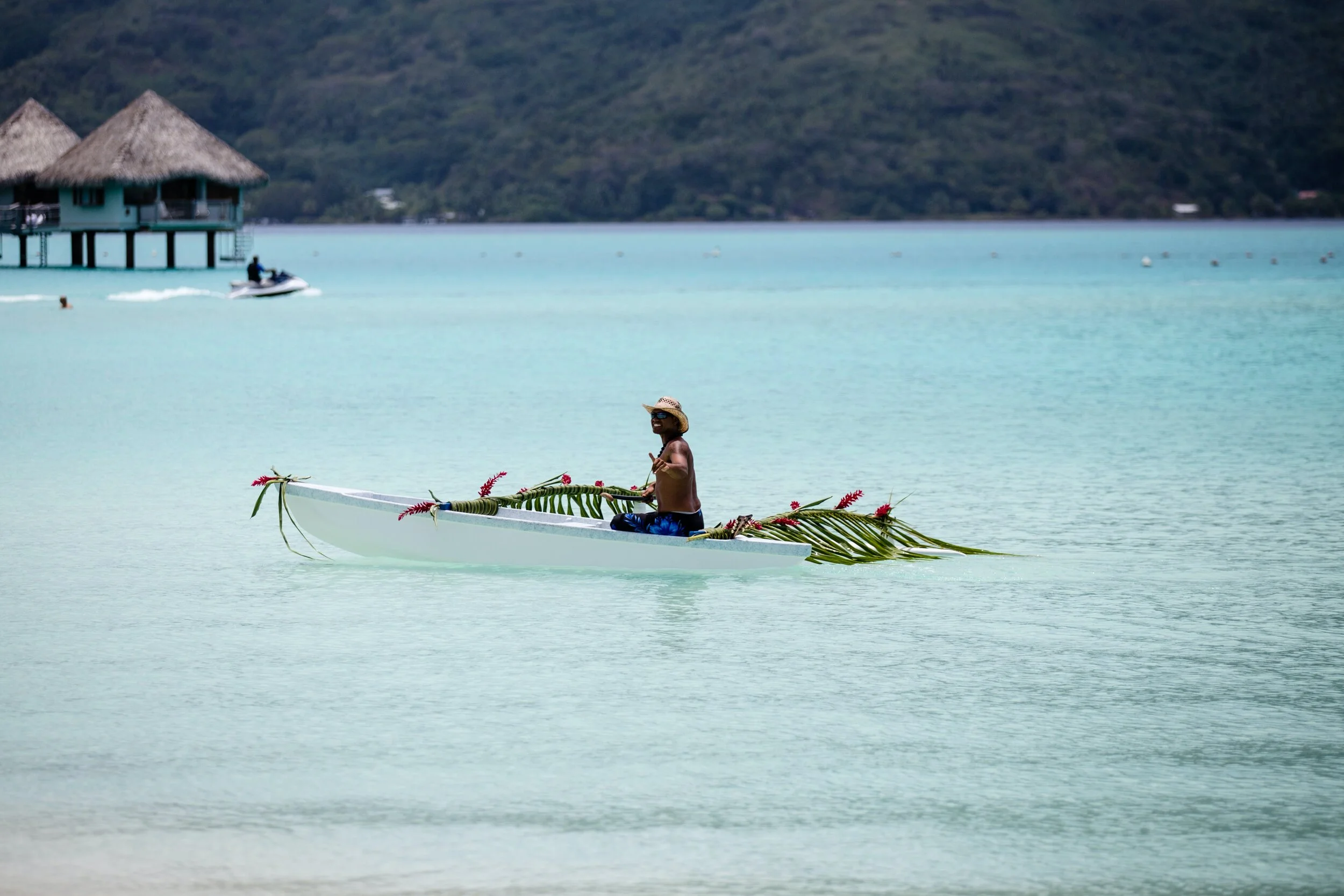
Photo by Artak Petrosyan on Unsplash
French Polynesia’s recent border re-opening has caused the second wave of new cases to hit the islands. Prior to the border re-opening, they had recorded only 62 cases of the virus. At the time of writing, they had a total of 415 cases, with 202 of those recovered. In August alone, 353 cases had been recorded as of 27 August 2020. Despite this outbreak, the government has ruled out another lockdown, although the territory has moved to the maximum alter level. French Polynesia’s economy is heavily reliant on the tourism industry, with the lockdown costing them US$1.2 billion and 25,000 jobs.
It will be interesting to see whether French Polynesia perseveres with their border reopening in an effort to combat the economic hit on tourism, as the current outbreak continues to grow. New Caledonia will also need to ensure their quarantine facilities are ready for an influx of international observers who are due to arrive in preparation for the upcoming referendum. It will be critical to ensure any potential case of COVID19 is detected during the quarantine period, to avoid any further disruptions to the second independence referendum. At the same time, Wallis and Futuna will be wanting to continue to maintain their COVID-free status like many of the other Pacific Islands.