
Dominican Republic Post Pandemic Tourism Boom
The Dominican Republic has long been a favourite destination for tourists flocking to the Caribbean. It boasts one of the most geographically diverse landscapes, from beaches, islands, and deserts, to colonial architecture, mountains and waterfalls. Given the global impact of Covid-19, how has the pandemic impacted the local tourism industry?
Following much of the rest of the world, President Danilo Medina announced the suspension of all inbound air and sea transport from mid-March 2020. However, the nation quickly reopened by July 2020, replicating a similar strategy of other tourism dependent destinations such as French Polynesia, in an effort to minimise the economic fallout. Pre-pandemic, the Dominican Republic welcomed over 7.55 million tourists in 2018 and again in 2019, with the largest share of travellers coming from the United States of America and Canada.
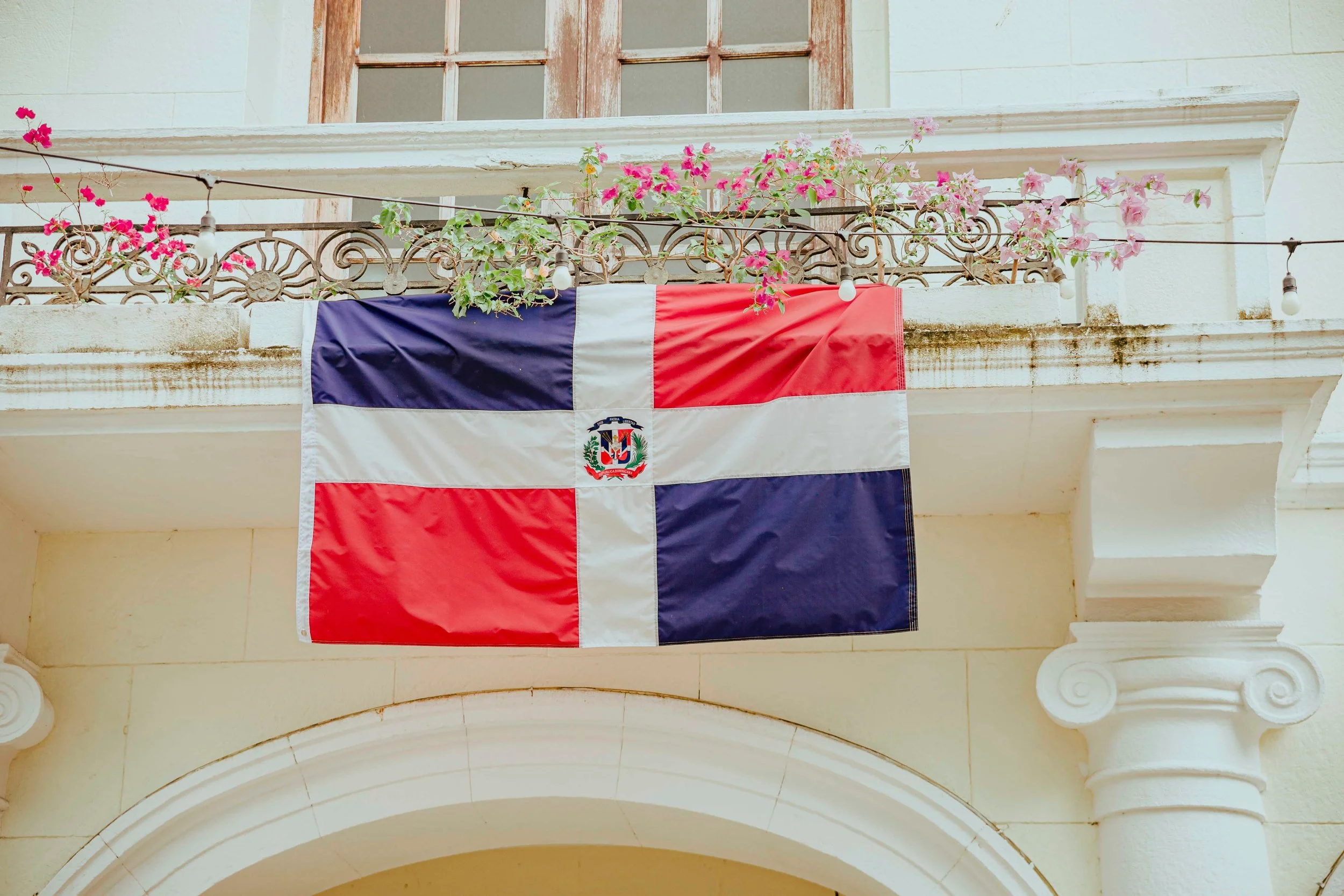
Photo by Ruddy Corporan
SICA, or the Secretariat for Central American Tourism Integration, has led the push to establish stronger tourism products to improve issues of integration and tourism competitiveness for the region at large. The countries represented include Belize, Costa Rica, El Salvador, Guatemala, Honduras, Nicaragua, Panama, and the Dominican Republic. Data shows that the Dominican Republic consistently boasts the greatest numbers of cruise passenger and air passenger arrivals in the region, whereas other neighbouring countries are often used as stopovers on route to an alternate destination. SICA has identified gaps in digital transformation adoption and the limitation of digital capabilities for local tourism providers across the region, highlighting the challenge for local businesses to keep updated with technology and remain internationally competitive.
The effects of COVID-19 saw a 47.5% drop in economic activity for hotels, restaurants and bars in the Dominican Republic, with real GDP declining by 6.7%. By December 2020, year-on-year inflation had risen to 5.6%. The Ministry of Finance and the Bureau of Internal Revenue (DGII) introduced fiscal assistance for both households and businesses. This included the deferral of tax payments and increased social protection payments. The Dominican Republic also received assistance from the World Bank (USD $150 million), the Inter-American Development Bank (USD $486 million) and the International Monetary Fund (USD $650 million).
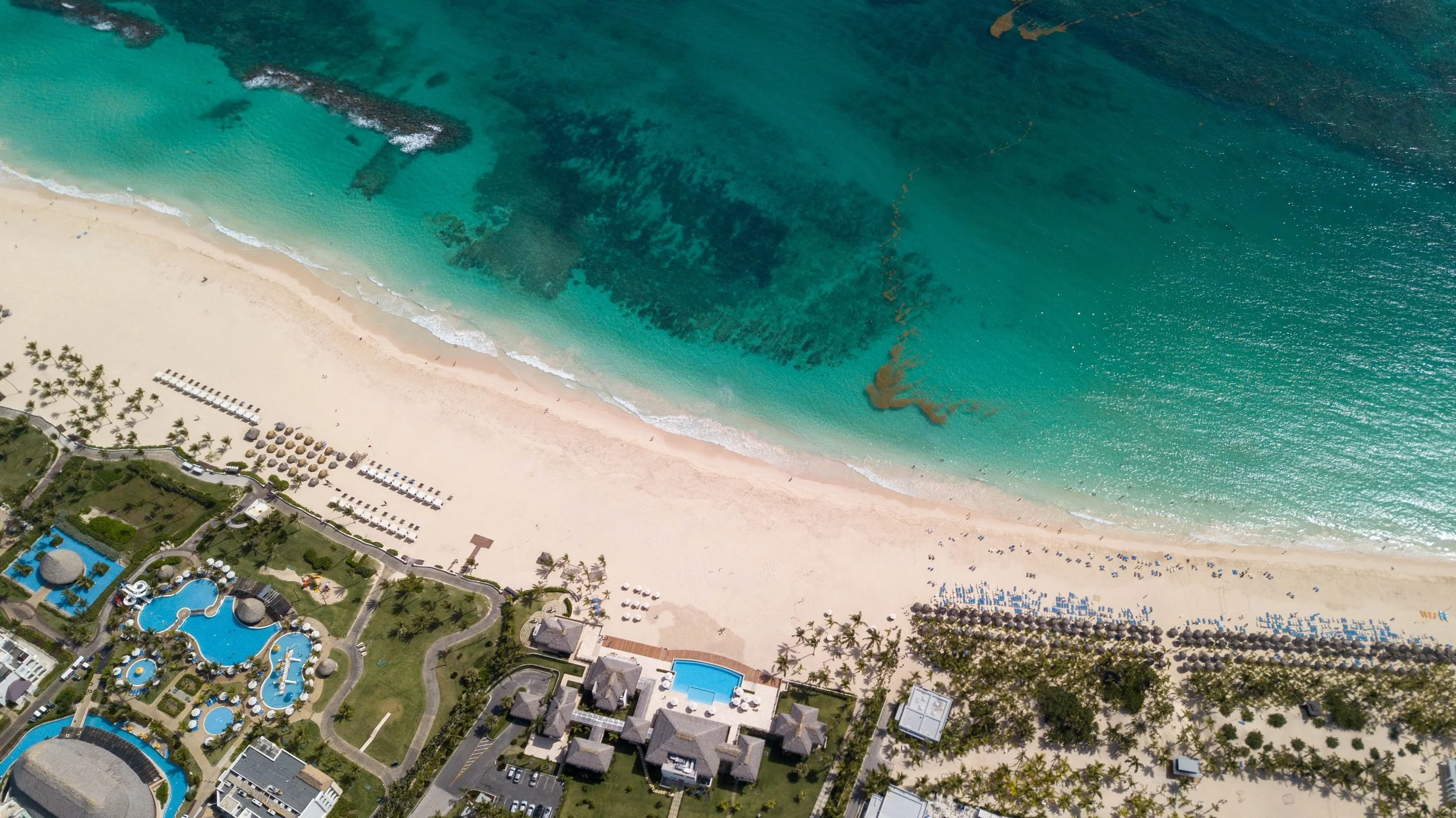
Photo by Danny de Groot
Some of the most visited tourist hotspots include Bávaro and Punta Cana, popular for their all-inclusive resorts and beaches that stretch along the coastline to Uvero Alto. Punta Cana is known as one of the safest vacation spots in the Caribbean. These places suffered from the downfall in tourist arrivals, leading to the Dominican Republic's first recession in nearly 17 years and resulting in the loss of 191,273 jobs.
However, throughout 2021 and the beginning of 2022, the Dominican Republic has seen a huge surge in visitors. The quick economic recovery has been attributed to its strategy for gaining a competitive advantage, dropping vaccination and testing requirements for travellers, while encouraging vaccination and mask wearing for local service industry workers. In November 2021, the country received 519,349 visitors, a rise of 197% versus November 2020 and an increase in 12% from November 2019. Bookings have outstripped 2019 levels and have seen more than 100 percent increases across April, May, and June of 2021, as well as in April 2022, totalling $5.7 billion in revenue.
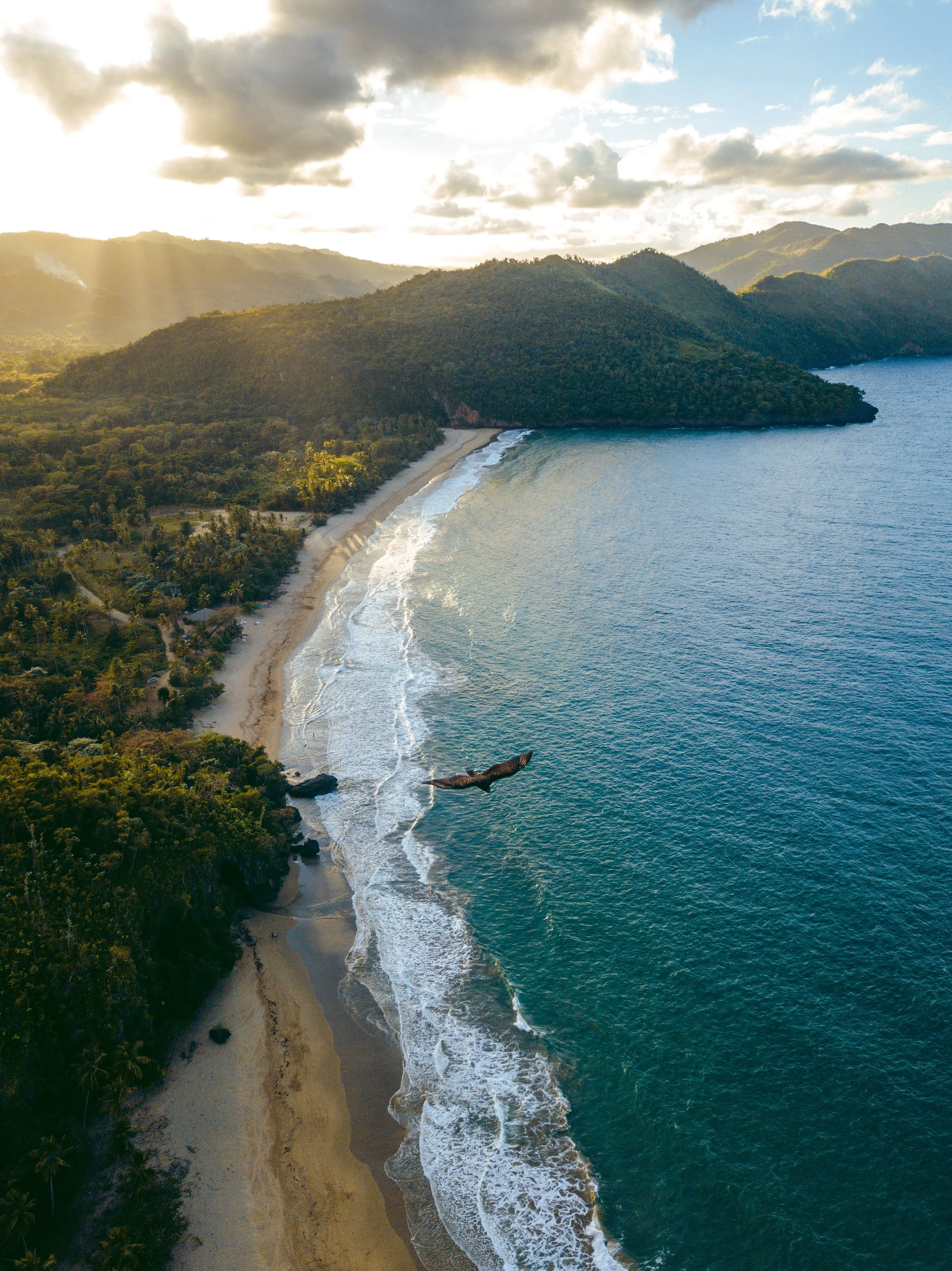
Photo by Juanca Paulino
The Caribbean nation is continuing to market itself as the destination of choice for many travellers from North America, the United Kingdom and increasingly further abroad. As other countries ease vaccination and testing requirements, the Dominican Republic will be hoping to sustain its post-pandemic tourism boom.
This article was first published by the Australia Latam Emerging Leaders Dialogue for their Latam Link series.