
Reimagining India: The Indian Century
India is a country of incredible contrast, with layers of complexity, depth of cultures and religious diversity. As a whole, the nation performs well in global metrics and standards. Approximately 72% of India’s population is literate, there are 400,000,000 children under the age of 15 in India, the total life expectancy for both sexes is 67 years and 98% of populated parts of India have 4G data. Today, their child mortality rate is comparable with countries like Australia.
India’s relationship with Australia is enduring and multi-layered across the economy, education, development and sport. The number one export from Australia to India is coal, which is used to make steel. As of 2018-19, India was Australia’s 5th biggest export market with the top three areas including mining, international education and tourism. The pandemic has forced a renewed push from Australia to diversify trade with economies such as India. In April 2022, an interim trade agreement called the Australia-India Economic Cooperation and Trade Agreement (IA-ECTA) was signed between the two countries, which will enter into force in the second half of 2022 (DAWE, 2022). Australia has developed a comprehensive strategy for engaging with India, with predictions that India will become the largest country in the world in the future.
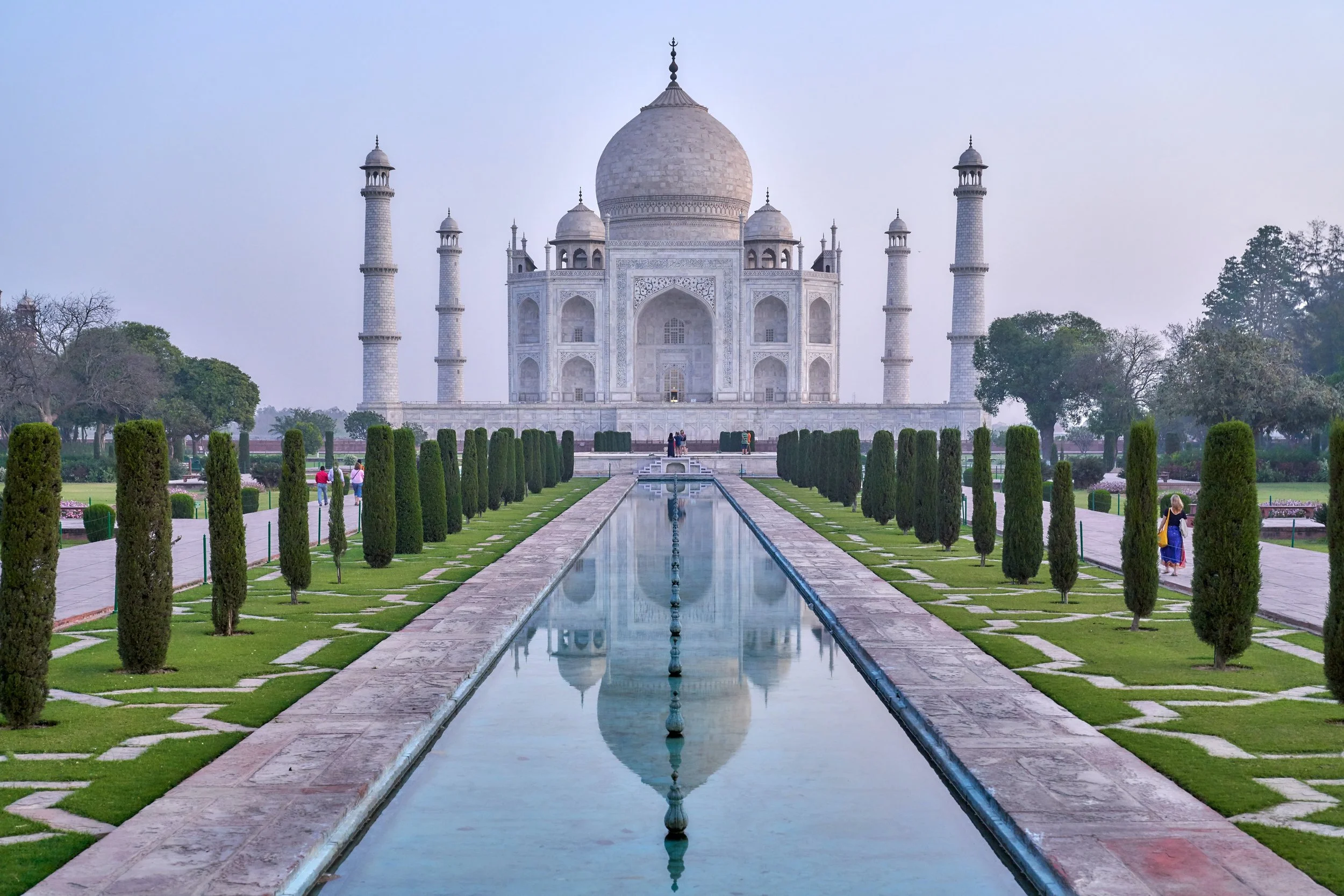
Image by Julian Yu
The scale and diversity of India has resulted in creativity and innovation. India has many rivers, agricultural fertility, plethora of animals, forests, mountains, with an abundance of rainfall, heat and rich soil. India is about as north to south in length as Australia, just much narrower. Delhi and Brisbane, Mumbai and Townsville, are on the same longitude. Consequently, the Indian Ocean Dipole (IOD) impacts Australia’s weather. India has 22 scheduled languages which are recognised in the constitution, although there are 121 recognised languages in India. There are 270 mother tongues with 10,000+ speakers and overall 1369 mother tongues are spoken. Their religious diversity is also impressive. Hinduism is the majority religion for the most part of the country, with 80% of Indians being Hindus. Christianity reached India before it reached most parts of Europe and today, 2.3% of Indians are Christian, expected to grow another 18% by 2050. There are also about 25 million Sikhs, equating to 2% of India’s population. The Sikhs in the Punjab total 60% of the population there. Islam is also a prominent religion, India's Muslim population is the world's third-largest and the world's largest Muslim-minority population. India is home to 10.9% of the world's Muslim population, or around 204 million Muslims.
The similarities in diversity, cultures and religions are relevant to Australia. Likewise, the Indigenous histories of these two countries have various historical connections and similarities. Indigenous people in India comprise an estimated population of 104 million or 8.6% of the national population. There are 705 officially recognised ethnic groups, although there are many more ethnic groups that would qualify for the ‘scheduled tribe’ status. The Scheduled Castes and Scheduled Tribes are officially designated groups of people and among the most disadvantaged socio-economic groups in India These terms are recognised in the Constitution of India. In India, the Indigenous peoples are commonly known as Adivasi (First Inhabitants). Overall, 75 of the 700 different tribal groups are considered ‘particularly vulnerable’.
Over the years India has become home to some of the world’s leading technology companies. The local startup scene has seen record investment, totalling $36 billion in 2021, due to the demand for digitisation (Shah, 2021). Coupled with a highly skilled Indian workforce, the country is pushing ahead in innovation and entrepreneurship. Context is very important in Indian culture, who you are and what situation you find yourself in will depend how you react, it requires a nuance, there is no cookie cutter or textbook approach. The uptake of the mobile phone in India has become a key enabler to connecting people. The most visited websites in India include Google, Youtube, Facebook, Wikipedia and Amazon, whilst Youtube, Facebook, Whatsapp are the most popular social media platforms.
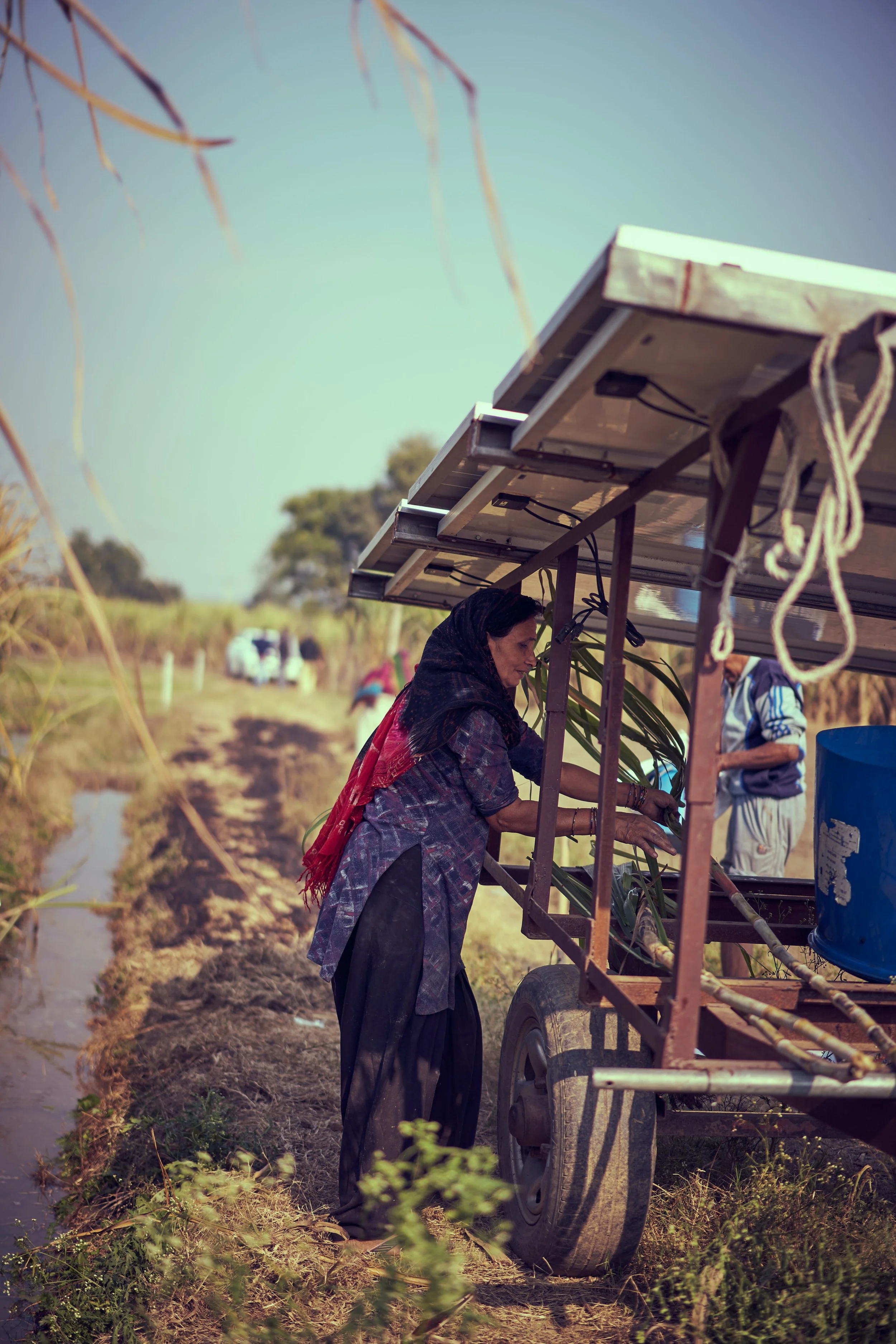
Image by Ashwini Chaudhary
There are six types of innovation common in India which include frugal, inclusive, grassroots, reverse, compassionate and invisible. The scale and diversity of the country has created an enduring creativity and complexity that is crucial to attempt to understand. Some examples of innovation in India include Urban Company and Razorpay. Urban Company, previously known as UrbanClap, is an all-in-one platform that allows users to access professional services such as beauticians, sofa cleaners, carpenters, and electricians through an app (Vishnu, 2021). It is now the biggest home assistance platform in Asia and also has operations in Singapore, the UAE and Australia. The company has raised a total of $190.9 million in investment over ten rounds and has acquired three other businesses (Vishnu, 2021). Razorpay, a similar success story in innovation and entrepreneurship, was founded in 2014 by university graduates Harshil Mathur and Shashank Kumar (Sugarmint, 2022). Razorpay is the only payments solution in India that allows businesses to accept, process and disburse payments (Razorpay, 2022), through lower fees and improved integration. The business is currently valued at around $140 million (Sugarmint, 2022) and has also set up ‘Razorpay Foundation’ to provide entrepreneurship education and micro investment support.
As the war in Ukraine continues, it is fascinating to better understand the role of India in this situation. At the onset of the pandemic, Indian Prime Minister Narenda Modi declared India would be ‘self-reliant’. The campaign was targeted at boosting India’s economy. Likewise, the war in Ukraine has Prime Minister Modi further echoing these statements, saying, “In this global context, amid these difficulties, [...] the country is moving ahead on the path of the [self-reliant India] campaign.” (Outlook India, 2022).
It has been well-documented that India abstained from the United Nations vote against Russia. Despite pressure from the United States of America and other Western allies, the government is resisting becoming politically implicated in Russia’s invasion. The idea of strategic autonomy continues to underpin much of India’s geopolitical ambitions (Ahmad Ansari, 2022).
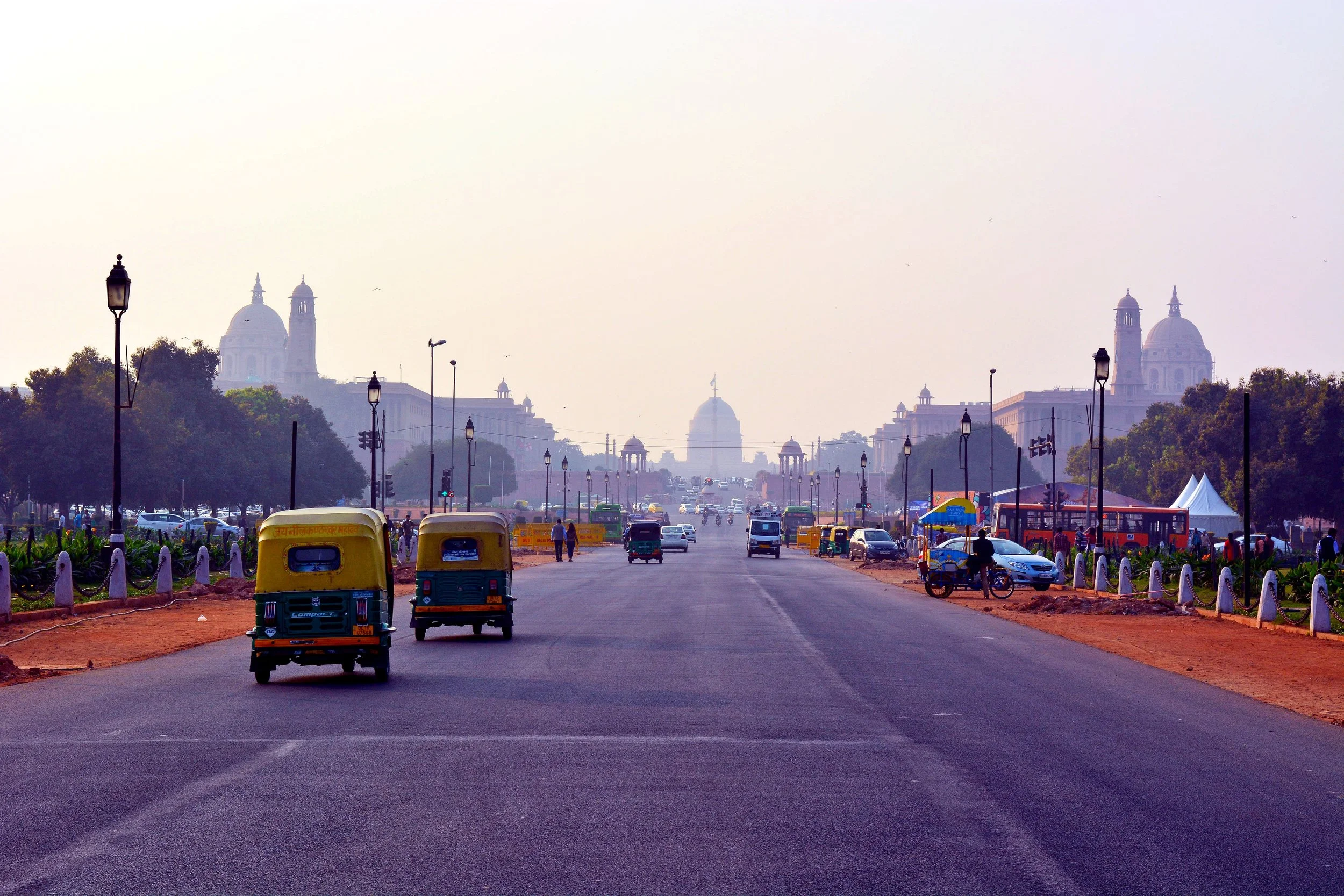
Image by Laurentiu Morariu
Across technology, finance, defence, energy and food security, India has been facing challenges. As outlined by IT Minister Rajeev Chandrasekhar, the push to decouple on foreign banking and technology is important for the country: “If we were depending on SWIFT alone, we are gone. But we [...] have reduced our reliance on a SWIFT type of an international money transfer platform.” (Aryan & Mathew, 2022). India relies heavily on Russia’s production capabilities as Russia supplies 70% of their military hardware. From 2012 to 2021, India’s share of military imports declined from 68% to 46%, showing a greater push for independence (The Economic Times, 2022). However, recently, India’s Prime Minister drew on their self-reliance principle to purchase discounted oil from Russia, despite backlash from Western nations. Around 80% of India’s oil is imported, resulting in increased national security challenges for oil supply. The UN Food and Agriculture Organisation says India has achieved ‘grain self-sufficiency’, although the country recently banned wheat exports due to a heatwave and increased pressure on imports from Ukraine, which accounts for 60% of their supplies (UN FAO, 2022).
Consequently, the global security situation and business settings make it even more important to understand India’s perspective and stakes in the geopolitical environment. As a major international power in the globalised market, it is important to continue to educate oneself to better comprehend India’s outlook on the world. To go about answering these questions, the best insights can be gained in-country. Spending a substantial amount of time in India is the ideal way to increase one’s knowledge and cultural capacity.