
Third Referendum on Independence in New Caledonia
New Caledonia held its third referendum on self-determination on Sunday 12 December 2021, with the ‘Non’ vote recording 96.49% and the ‘Oui’ vote 3.51%, with a voter turnout of only 43.9% and 2.99% invalid votes. Of a total of 184,367 enrolled voters, 80,938 cast their vote whilst 103,429 abstained.
The small archipelago of 270,000 inhabitants, located just 1500km from Australia but over 17000km from France, returned to the ballot box for the third time in four years following the first referendum in 2018 and second in 2020. The question posed to voters was the same as the two previous occasions, "Do you want New Caledonia to achieve full sovereignty and become independent?”.
Under the Matignon Agreement signed in 1988 by Jean-Marie Tjibaou and Jacques Lafleur, an agreement was formed for a ten-year period of peace following the civil unrest of Les Événements. Following this, the Nouméa Accord was signed in 1998, which would set out a twenty-year transition period to allow New Caledonia a possible three referendums on independence from France. Eligibility to form part of the special electoral roll requires voters to have maintained residency on the island since 1994, thus excluding around 40,000 voters.
The third referendum was marred by controversy, with the French Republic deciding to maintain the date of 12 December 2021, despite demands for it to be postponed until 2022. The death toll from COVID-19 pandemic had particularly impacted indigenous Kanak communities, resulting in calls for a traditional period of mourning. Pro-independence groups responded by saying they would not take part in the vote, telling their supporters to stay home on the day of the referendum.
France sent around 2,000 security personnel to the territory such as police officers and soldiers, including 160 light vehicles, 30 armoured vehicles, two Puma helicopters, and an army Casa plane, to provide an additional security presence for the vote. A delegation from the United Nations and the Pacific Islands Forum was also sent to New Caledonia to observe the electoral process.
At the previous referendums, the No vote received 56.4% in 2018, dropping three points to 53.26% in 2020, with the Yes vote receiving 43.6% in 2018, increasing by three points to 46.74% in 2020. This was highlighted by the all-time high voter participation rate of 85.69% in 2020, up from 81.01% in 2018.
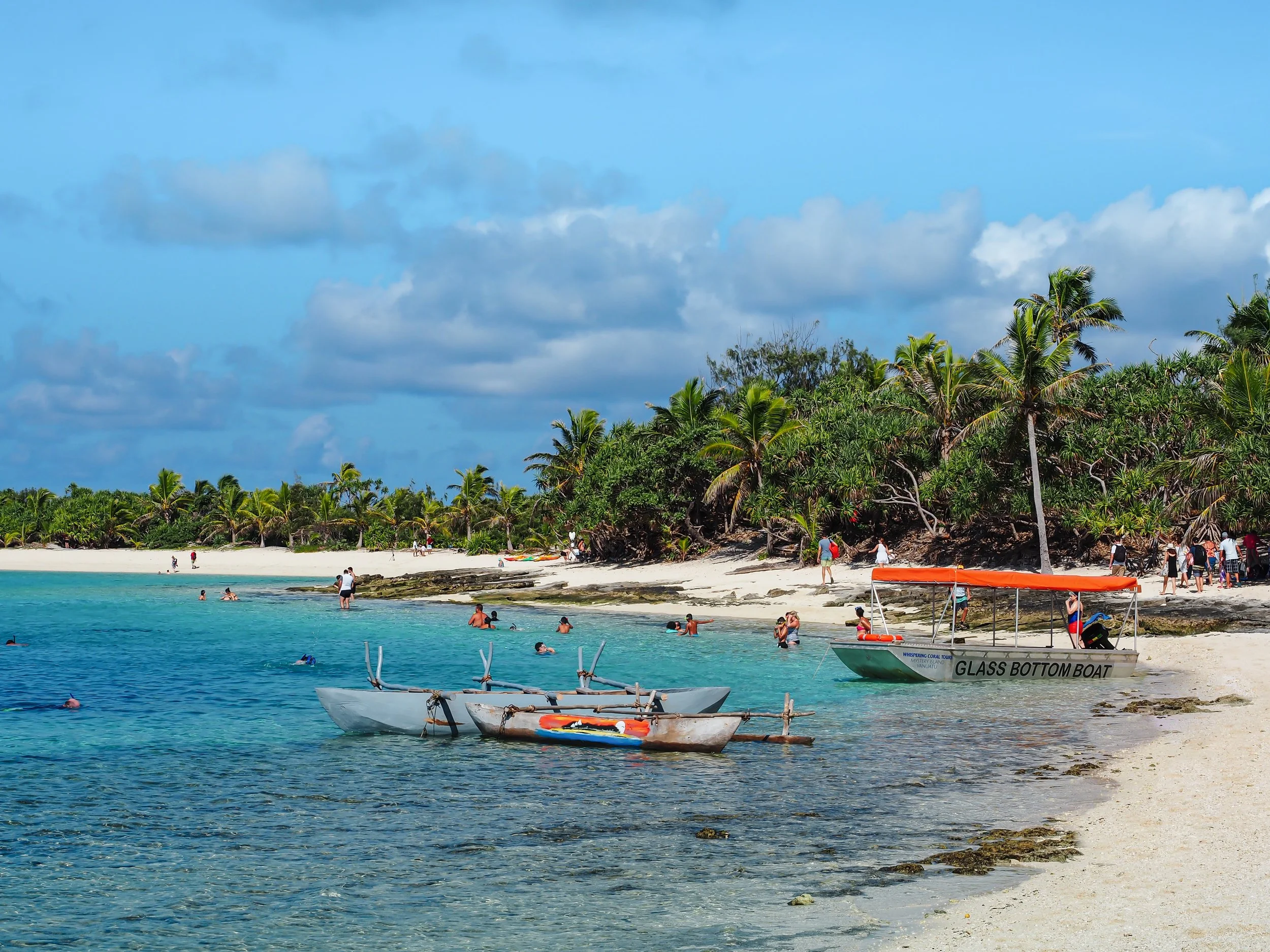
Photo by Anette Miate from Unsplash
Due to the abstention demands from pro-independence parties in 2021, the overall participation rate was substantially lower at just 43.9%. In the provinces of the Loyalty Islands and the North Province, which have a majority indigenous Kanak population, the participation rate was just 4.5% and 16.6% respectively.
The legitimacy of the result will be inevitably challenged by separatist groups and supporters. President of the Congress of New Caledonia and Kanak independence leader, Roch Wamytan said, “For us, this is not the third referendum. We consider that in terms of legal and political legitimacy, there are only two referendums, 2018 and 2020.” President of L’Avenir en Confiance, Virginie Ruffenach, one of the pro-France members in New Caledonia’s Congress said, “It is in France that our future will be built, because the people of New Caledonia have decided so, and three times”.
French President Emmanuel Macron, reflected on the referendum by saying, “Caledonians have chosen to remain French, they chose it freely”, although he conceded that, “We cannot ignore that the electorate has remained deeply divided.” The French Overseas Minister arrived on Friday in New Caledonia in preparation for discussions following the vote, however independence leaders have indicated that they will not participate in talks.
With the French presidential elections scheduled for April 2022, the immediate future of the island will be tense but require dialogue and cooperation. Following the Nouméa Accord, negotiations will need to take place to find a consensus towards a new path forward for the institutional future of New Caledonia with France.